Inside a Typical Call for Vans and Box Trucks
Empty delivery van breaking down? That almost never happens. It’s of course the fully loaded ones that give out, packed to the roof and already behind schedule. Forty stops left and nowhere easy to pull over. That’s usually when our Fremont delivery van towing calls come in, right in the middle of a day that was already off track.
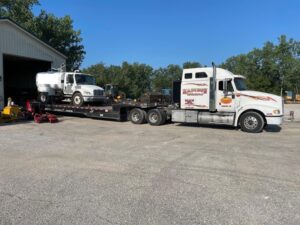
What We Look At Before Hooking Up
For any kind of work vehicle, it’s not just the weight. Tools inside slide, shelves shift, and racks or ladders can throw things off balance without the driver even noticing. Before we tow, we have to take a close look at how the load is sitting. How much clearance we have, where we can actually move the vehicle without blocking a drive lane or trapping another car. All that get’s much more complex in traffic during rush hour.
A van or box truck may look straightforward from the outside. But a loaded Transit or Sprinter often sits low in the rear after a full route, and we see that a lot with step vans and 16-foot boxes too. We check rear overhang, tire wear, axle position, and how much space we have to turn or back out. In tighter lots, that part alone can take longer than the tow itself.
A few things slow these calls down:
- Low dock areas behind stores
- Tight alley exits
- Loose cargo in the back
- Lift gates stuck halfway down
- Mud, snow, or broken pavement near loading zones
One wrong angle can scrape a bumper or drag a step.
Why Medium Duty Towing Fits These Vehicles
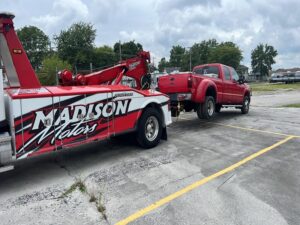
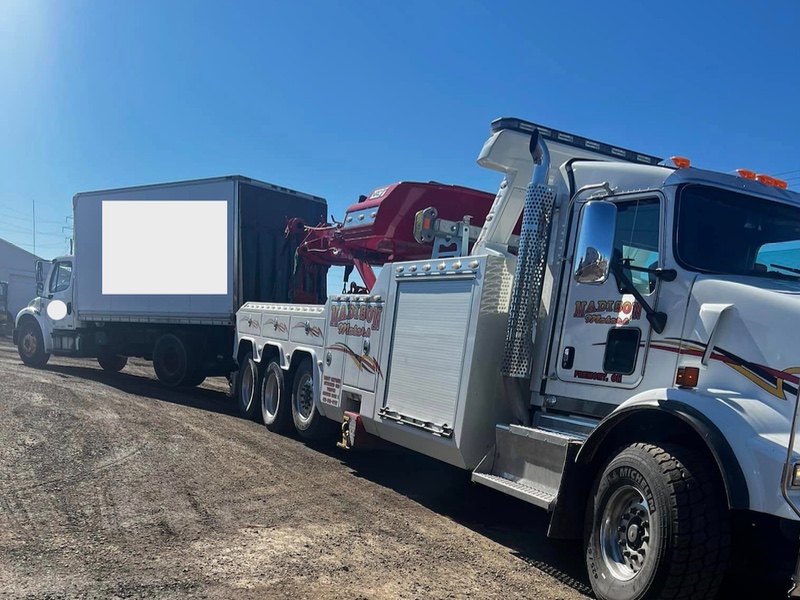
Medium duty towing sits in that middle space between light-duty cars and heavy semi wreckers. It is common, because many work vehicles are too heavy or too tall for a basic tow setup. We see that a lot with loaded vans, small box trucks, utility bodies, and company fleet vehicles.
The goal is to move the vehicle without creating a second problem. With Fremont delivery van towing, we often spend extra time lining up in a lot, checking the load, and choosing the right approach before the first pull. It may look slow from the curb. Usually, that slower start saves time later.
How Local Roads and Weather Affect the Job
Fremont has plenty of delivery routes that run through older lots, narrow drives, and busy stretches near Route 20 and State Route 53. Fremont delivery van towing can get tricky when a driver breaks down near a dock, a school zone, or a small service entrance with cars parked on both sides.
Winter adds another layer. Snow piles shrink turning room, and freezing rain can make a loaded van slide while it is being positioned. We have handled Fremont delivery van towing calls where the tow itself was not the hard part. Getting the vehicle out from between parked trucks without bumping a mirror took the real patience.
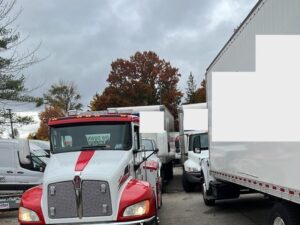
Madison Motor Service Delivers Reliable Fremont Delivery Van Towing for Working Vehicles
Madison Motor Service has been around since 1927, starting as Madison Street Garage before moving operations to Fremont in 1984. We handle Fremont delivery van towing along with medium duty calls for vans, box trucks, work trucks, roadside breakdowns, and heavier commercial vehicles.
For us, Fremont delivery van towing usually means dealing with real work schedules and tight spaces, not showroom conditions. A van may be loaded with plumbing parts, restaurant supplies, or packages that were supposed to be across town an hour ago. Around Fremont, those calls often start behind a store, near a dock, or along a road where traffic does not give much room.
FAQs
What types of work vehicles usually need medium duty towing?
Cargo vans, utility trucks, and small box trucks are the most common. Anything with extra weight from tools or inventory can push it beyond light-duty limits. Even some empty fleet vehicles still need a heavier setup due to size alone.
Can a loaded van be towed without unloading it first?
Sometimes, yes, but it depends on how the weight is sitting. If cargo has shifted or is loose, it may need to be secured before moving. Safety comes first, even if it adds a few minutes.
Why does towing a work vehicle take longer than a regular car?
There is more to check before starting. Load balance, clearance, and space to maneuver all factor in. A rushed hookup can lead to damage or delays later.
What happens if a truck breaks down in a tight delivery area?
The operator may need to reposition the vehicle slightly before towing. In some cases, nearby cars or obstacles have to be worked around carefully. It is common for these calls to take extra time due to limited space.
Are lift gates or attached equipment a problem during towing?
They can be. A lift gate stuck down or partially open changes how the vehicle sits. It usually needs to be secured or adjusted before transport.
How do weather conditions affect towing larger vehicles?
Rain, snow, and ice can reduce traction and make positioning harder. Heavier vehicles can slide if the surface is slick. Extra caution is needed during hookup and movement.