On a Roll
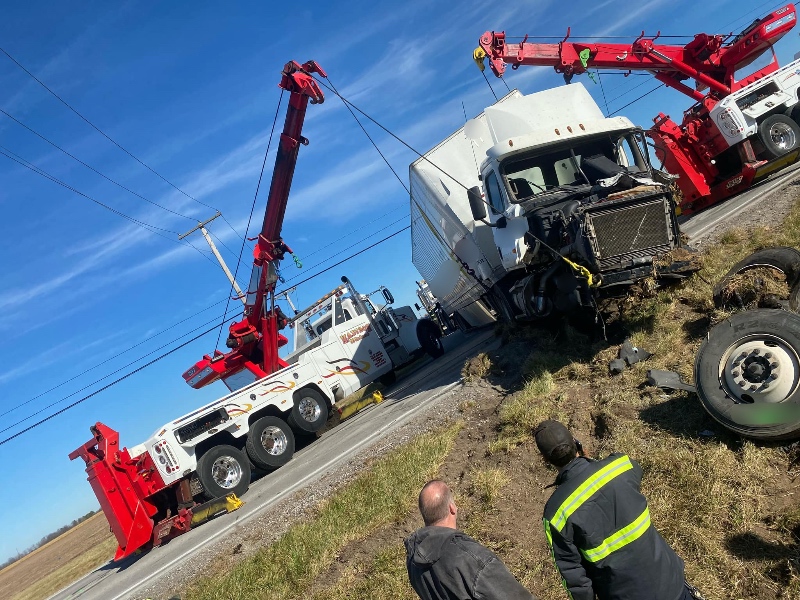
A semi can travel hundreds of miles without trouble, but changing road conditions, cargo movement, speed, or a sharp correction can quickly affect stability. And then we have it: a classic rollover. For drivers trying to avoid a Fremont semi recovery, prevention starts before the wheels move. A few minutes spent checking the truck, load, route, and weather can reveal problems that deserve attention before departure.
The weight and height of a commercial vehicle affect how it responds through curves, ramps, and sudden steering changes. Drivers should think about the entire combination rather than focusing only on the tractor. Trailer weight, cargo position, tires, and road conditions all influence how stable the rig feels once it gets moving.
Start With the Load Before Starting the Engine
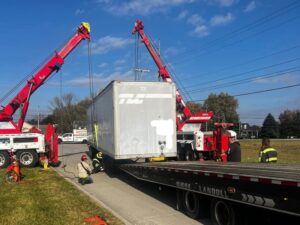
Cargo distribution deserves a close look because weight placed too high can raise the trailer’s center of gravity. Uneven loading can also change how the trailer behaves through a turn. Securement should be checked before departure so cargo cannot shift as the truck accelerates, brakes, or changes direction.
Tires belong on the same pre-trip checklist. Pressure, tread, and visible damage can reveal a problem before highway speeds put additional stress on the tire. A tire problem combined with a heavily loaded trailer can leave a driver with fewer options if something changes suddenly.
Five Questions to Ask Before Pulling Out
A useful checklist should be short enough to become part of the normal routine. Drivers can run through these questions before leaving and revisit them after stops during a long trip. Catching a concern early may prevent the situation from progressing into semi recovery near Fremont. The answers should reflect the truck’s current condition rather than how it performed on the previous trip.
- Is the cargo balanced, secured, and positioned appropriately?
- Are the tires properly inflated and free from obvious damage?
- Do I know where the sharper curves, ramps, and grades are?
- Have I checked the weather and wind conditions?
- Am I rested enough to respond smoothly to changing traffic?
Speed Through Curves Deserves Extra Attention
A posted speed limit does not tell a driver how every loaded combination will behave through a curve. Load height, trailer configuration, road surface, and the sharpness of the turn can change how much speed is appropriate. Reducing speed before entering the curve gives the truck a more controlled path through it and can reduce the chance of needing Fremont heavy truck recovery afterward.
Highway ramps deserve the same attention. Entering too quickly leaves less room to adjust once the trailer begins following the curve. Braking or steering abruptly in the middle of a turn can further unsettle a loaded combination.
Wind, Rain, and Driver Reactions Matter Too
Strong crosswinds can push against the broad side of a trailer, particularly on exposed stretches of highway. Rain adds another variable by reducing traction and changing stopping distance. Drivers should check conditions before departure and continue monitoring them during the trip because weather can change well before the next scheduled stop.
The driver’s response matters when something unexpected happens. Sudden steering corrections can shift weight quickly across the truck and trailer, so scanning farther ahead and maintaining room around the rig gives a driver more time to react gradually. Those habits can reduce the situations that eventually require commercial truck recovery around Fremont.
Warning Signs Worth Taking Seriously
A truck that suddenly feels different deserves attention. New pulling, unusual trailer movement, vibration, or handling changes can signal a problem that should be investigated before continuing at highway speed. Stopping at an appropriate location gives the driver a chance to inspect the combination. Addressing those signs early may prevent a roadside problem from becoming semi rollover recovery in Fremont.
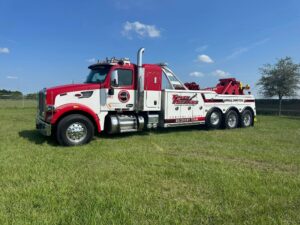
Madison Motor Towing Delivers Top Fremont Semi Recovery
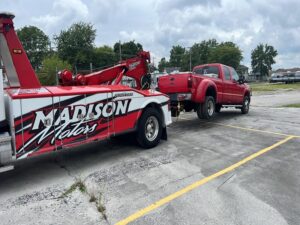
Madison Motor Towing provides heavy-duty towing and recovery for semis, buses, and heavy equipment, along with light and medium-duty towing. Our team also handles RV towing, long-distance towing, heavy equipment transport, rotator work, bridge jobs, and difficult recovery locations. That range of services allows us to respond when heavy-duty recovery near Fremont is needed after a commercial vehicle can no longer continue normally.
We bring a family-oriented approach to towing and recovery, with an emphasis on fast, fair, straightforward service. From passenger vehicles to fully loaded commercial trucks, our work covers vehicles of many different sizes and situations. When a rollover or another serious incident leaves a rig disabled, Fremont semi recovery gives drivers a way to move from the roadside problem toward the next step.
FAQs
What is one of the biggest causes of semi rollovers?
Speed through curves and ramps is a major factor, especially when a trailer carries a high or uneven load. Slowing before the turn gives the truck more stability.
How does cargo placement affect rollover risk?
Cargo loaded too high raises the trailer’s center of gravity. Uneven distribution can also make the combination less stable during turns and lane changes.
Can strong winds cause a semi to roll over?
Yes. Crosswinds can push hard against the side of a trailer, particularly on open highways and exposed stretches of road.
Why are tire checks important before a trip?
Low pressure, worn tread, or visible damage can affect handling and increase the chance of a tire failure. Those problems become more serious when the truck is heavily loaded.
What should a driver do if the trailer starts handling differently?
Find an appropriate place to stop and inspect the truck and trailer. New vibration, pulling, or unusual movement should not be ignored.
Can driver fatigue increase rollover risk?
Yes. Fatigue can slow reaction time and lead to abrupt corrections. Being rested gives a driver more time to respond smoothly to traffic and road changes.