When Seconds Count and the Truck Is Down
US-6 carries passenger vehicles, delivery trucks, and commercial traffic through northern Ohio every day. A semi truck accident can quickly affect multiple lanes, nearby motorists, cargo, and traffic flow, so the first few minutes deserve careful attention. For drivers and fleets that may need semi towing on US-6, the actions taken immediately after a crash can help responders get a clearer picture of the situation before recovery work begins.
During those first 10 minutes, the priorities should center on people, location, and accurate information. Drivers should contact emergency services, follow instructions from first responders, and avoid making unnecessary changes to the scene. A tractor-trailer can block traffic or create additional hazards depending on its position, cargo, and condition. Clear information gives police, fire crews, and towing professionals a stronger starting point.
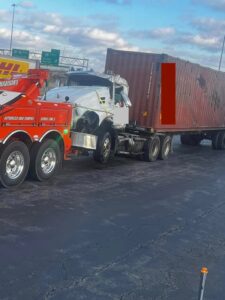
Good Information Helps the Response Take Shape
A dispatcher needs useful details before sending resources toward a disabled or damaged semi. The roadway, direction of travel, nearby intersection or mile marker, truck position, trailer condition, and visible cargo issues can all help paint a clearer picture. Drivers should describe what they can see without guessing about damage they cannot confirm. That early information helps responders prepare for the conditions they may encounter.
A few basic steps can keep those first minutes organized:
- Call 911 when injuries, blocked lanes, fire, spills, or other immediate hazards are present.
- Give the most accurate location available.
- Follow instructions from law enforcement and emergency personnel.
- Share basic truck and trailer information with the towing provider.
- Keep unnecessary people away from traffic and damaged vehicles.
Once those details are communicated, the response can move forward with fewer unanswered questions. We recommend keeping fleet contacts, insurance information, and roadside assistance numbers easy to find inside the cab or in a phone. Searching for paperwork after a collision adds another task during an already demanding situation. Simple preparation can help the driver communicate clearly.
Early Decisions Can Affect the Entire Recovery
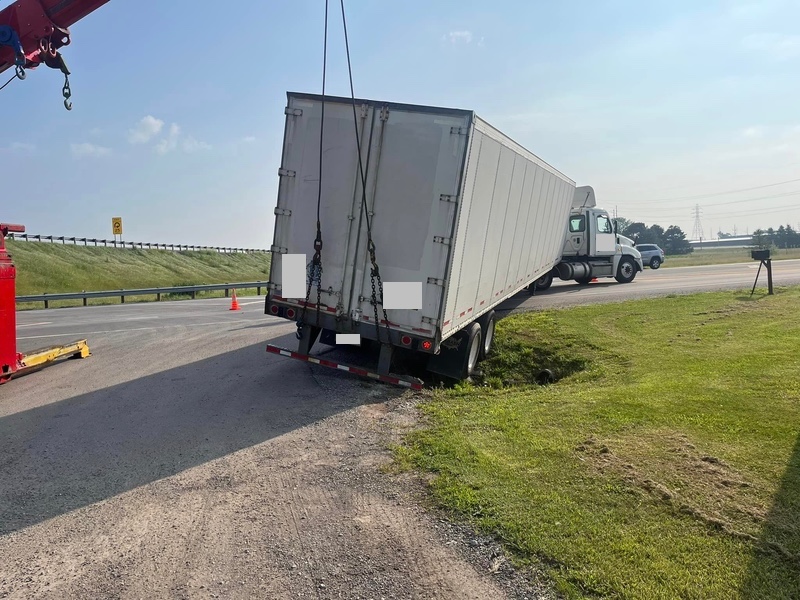
The first call to our US-6 semi towing service should include as much confirmed information as possible. A tractor sitting upright on the shoulder presents a different situation from one blocking travel lanes or attached to a damaged trailer. Sharing those distinctions early helps the towing provider evaluate the request and coordinate the next steps without relying on assumptions.
Timing also matters because traffic conditions can change quickly around a disabled commercial vehicle. Prompt contact for heavy-duty towing on US-6 gives the towing company an earlier opportunity to assess access, vehicle size, and recovery needs. For fleets arranging semi-truck towing along US-6, accurate information during the first 10 minutes can reduce confusion between the driver, dispatcher, emergency crews, and towing provider as the response develops.
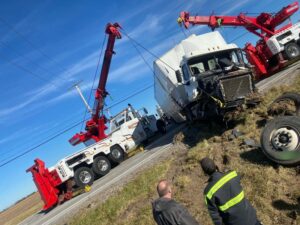
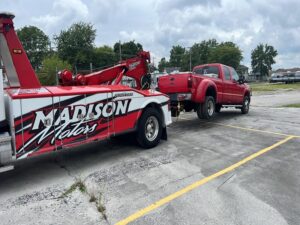
Madison Motors and Heavy-Duty Towing Near US-6
Madison Motor Service traces its history to 1927, when the business began as Madison Street Garage and became the first towing service in the Tiffin, Ohio, area. The family-run company later moved its operations to Fremont in 1984 and continued serving commercial and individual customers through towing and roadside assistance. Today, Madison Motors carries that long history into commercial towing near US-6, with the same hands-on approach that has guided the business across generations.
Our work with commercial vehicles starts with clear communication and careful attention to the details provided from the scene. Drivers and fleet managers looking for a tow truck service for semis on US-6 can contact Madison Motors when a heavy vehicle needs towing or roadside assistance in the area. After nearly a century of serving motorists and commercial customers, we continue building on the service values that began with Madison Street Garage in 1927.
FAQ
Should I move the truck after an accident?
Only move it if law enforcement says it is safe or if remaining in place creates an immediate danger. Large trucks can be difficult to reposition after a collision, especially if steering, tires, or the trailer have been damaged.
What information should I give a towing dispatcher?
Share your exact location, truck and trailer type, visible damage, and whether traffic lanes are blocked. Mention any cargo concerns you can clearly identify.
Should I stay inside the cab while waiting for help?
That depends on the surroundings and instructions from emergency personnel. If the cab is in a dangerous position, responders may direct you to a safer area.
Can a damaged trailer be towed with the tractor still attached?
Sometimes, but the answer depends on the condition of both units. Damage to the coupling, axles, wheels, frame, or landing gear can change the recovery plan.
What should a fleet manager have ready after a crash?
Keep driver contact information, vehicle details, insurance records, cargo information, and emergency contacts readily available. Fast access to accurate records can make communication easier.
How long does a semi truck recovery usually take?
Recovery time varies with the truck’s position, damage, traffic conditions, cargo, and roadway access. A simple disabled truck may require less time than an overturned or heavily damaged combination.